Build write-up · in progress · 6 min read
How I’m building Faunaform
Seven Minnesota animals, each drawn for one hour of one day, to be screen printed by hand in four flat inks. AI draws to my briefs, does the research, and even wrote the manual for my bench. I make every call and finish each drawing by hand. Nothing is printed yet; the first proof is next.
- Role
- Everything: art direction, brand, the studio’s software, the shop’s design
- Medium
- Hand-pulled screen prints in four flat inks, on paper and Baltic birch
- Collection
- One day of light: seven animals, each at its own hour
- Status
- In progress: screens on order, the bench next, then the first proof


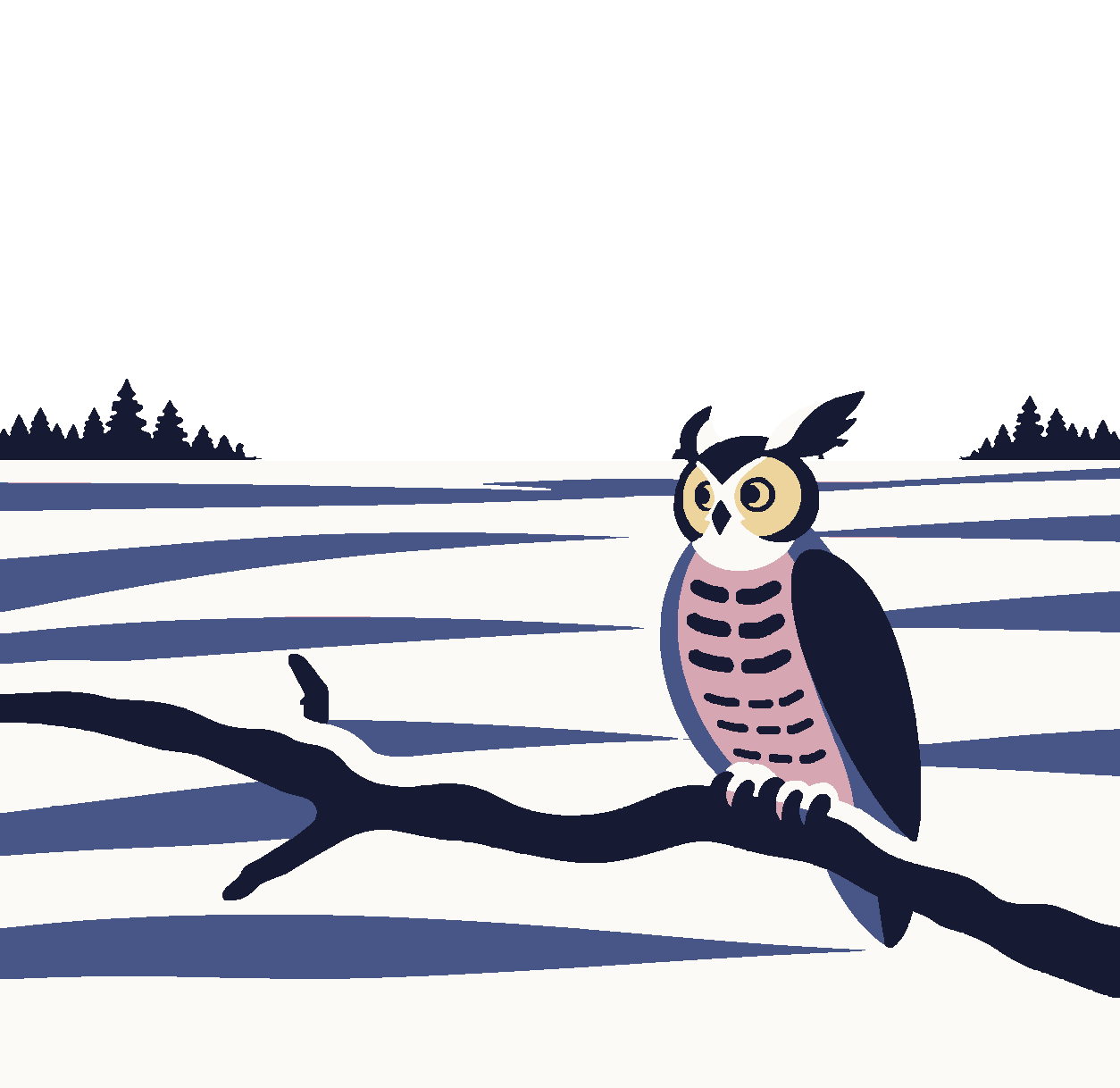
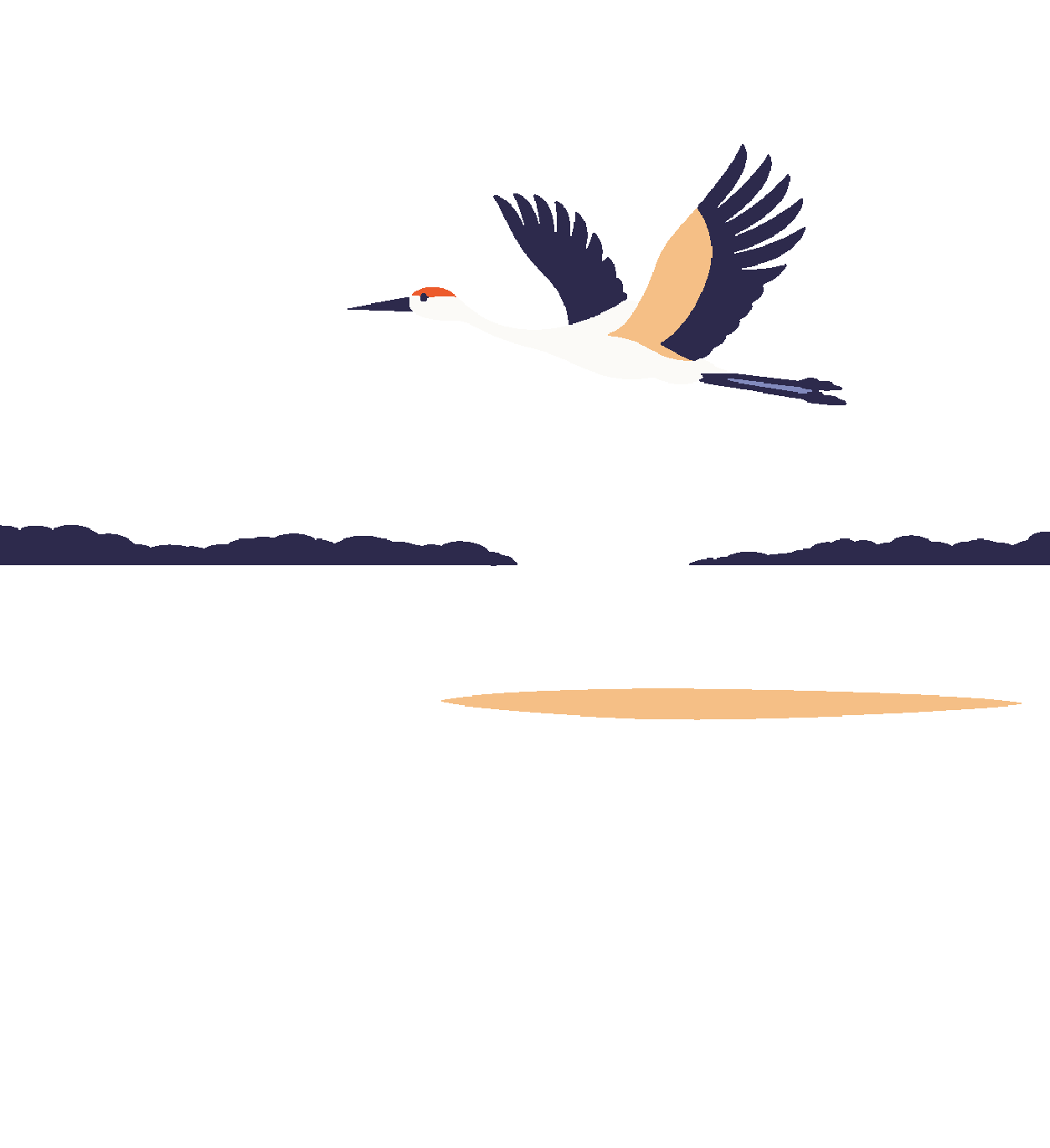
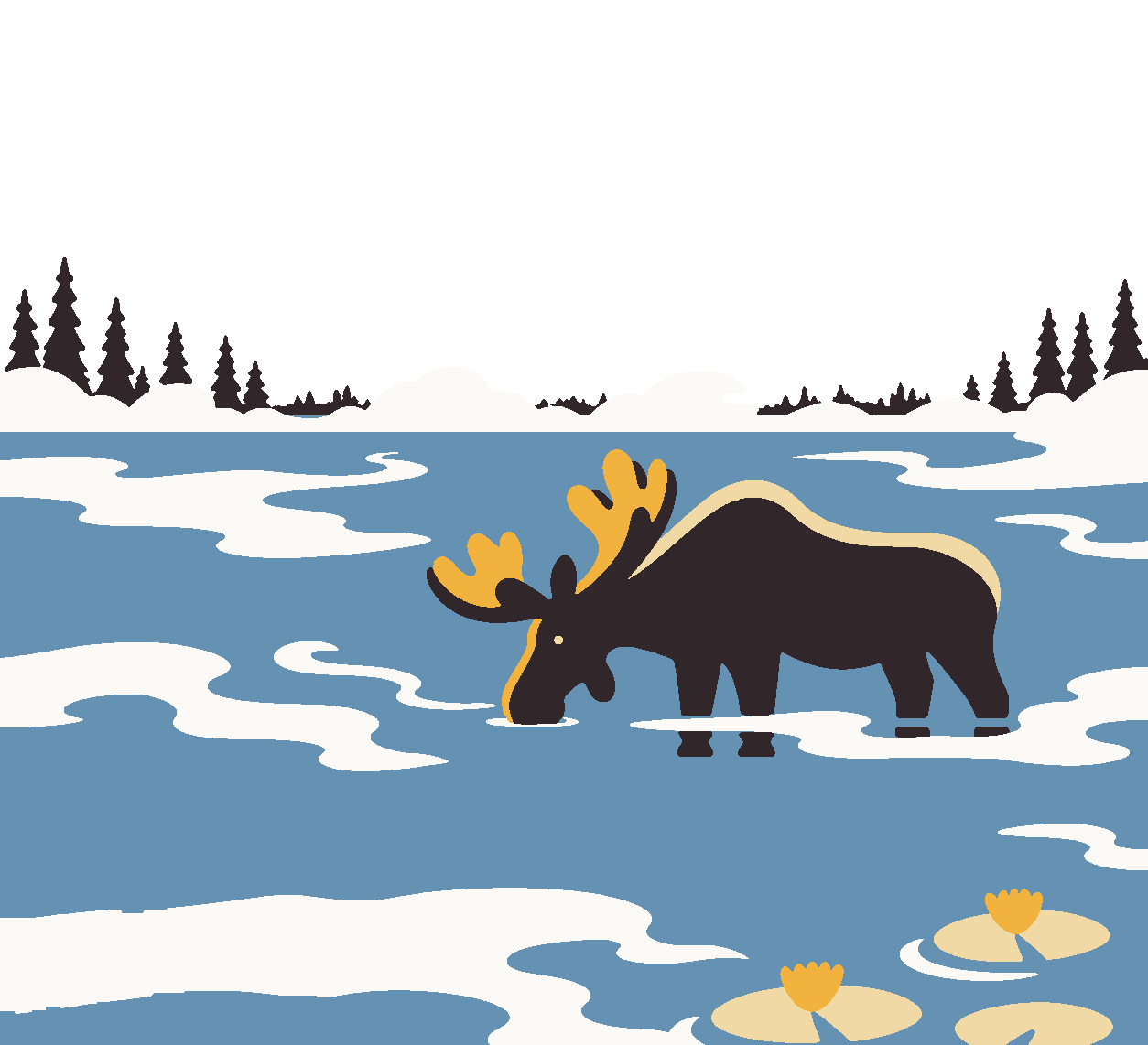
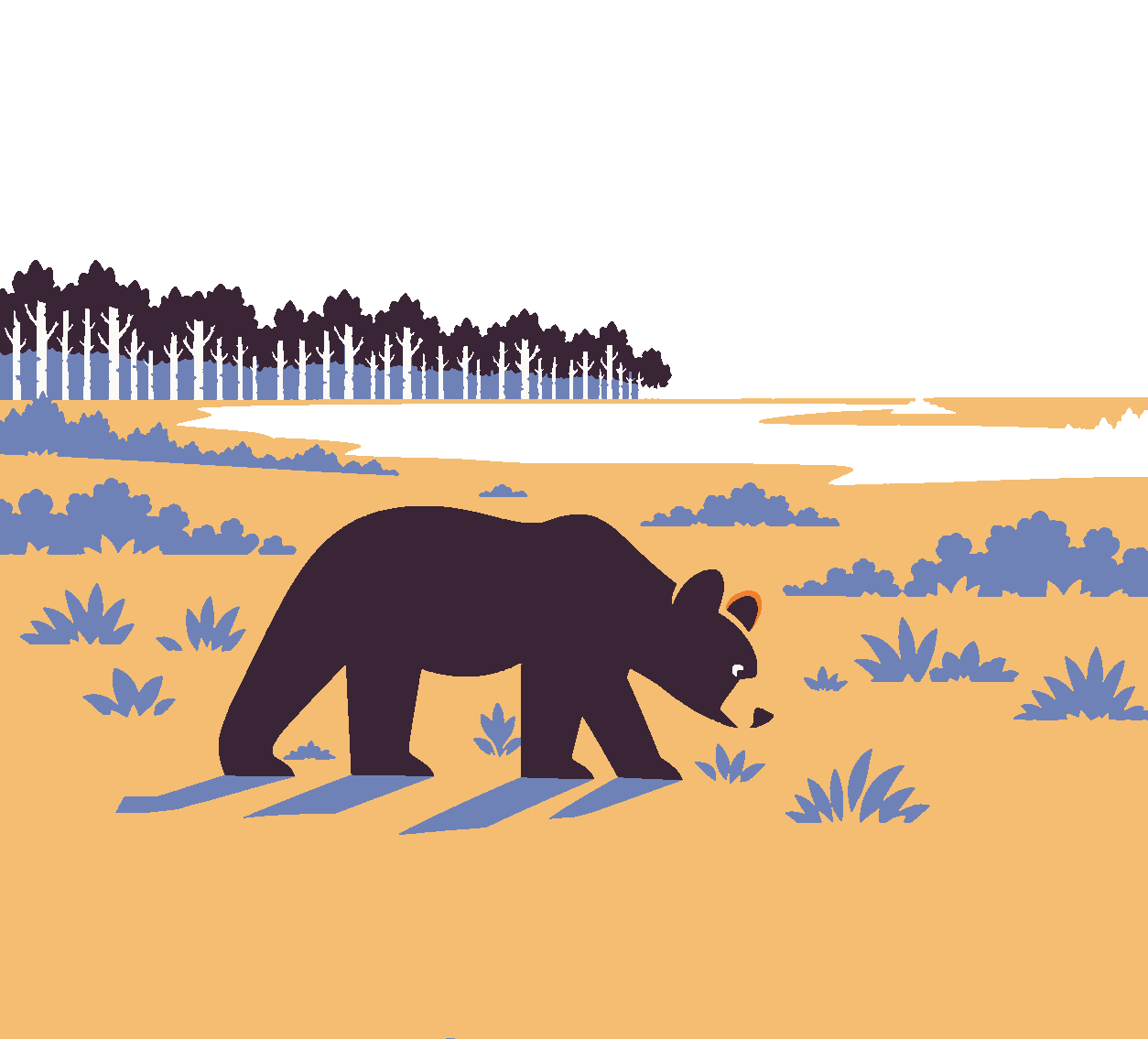
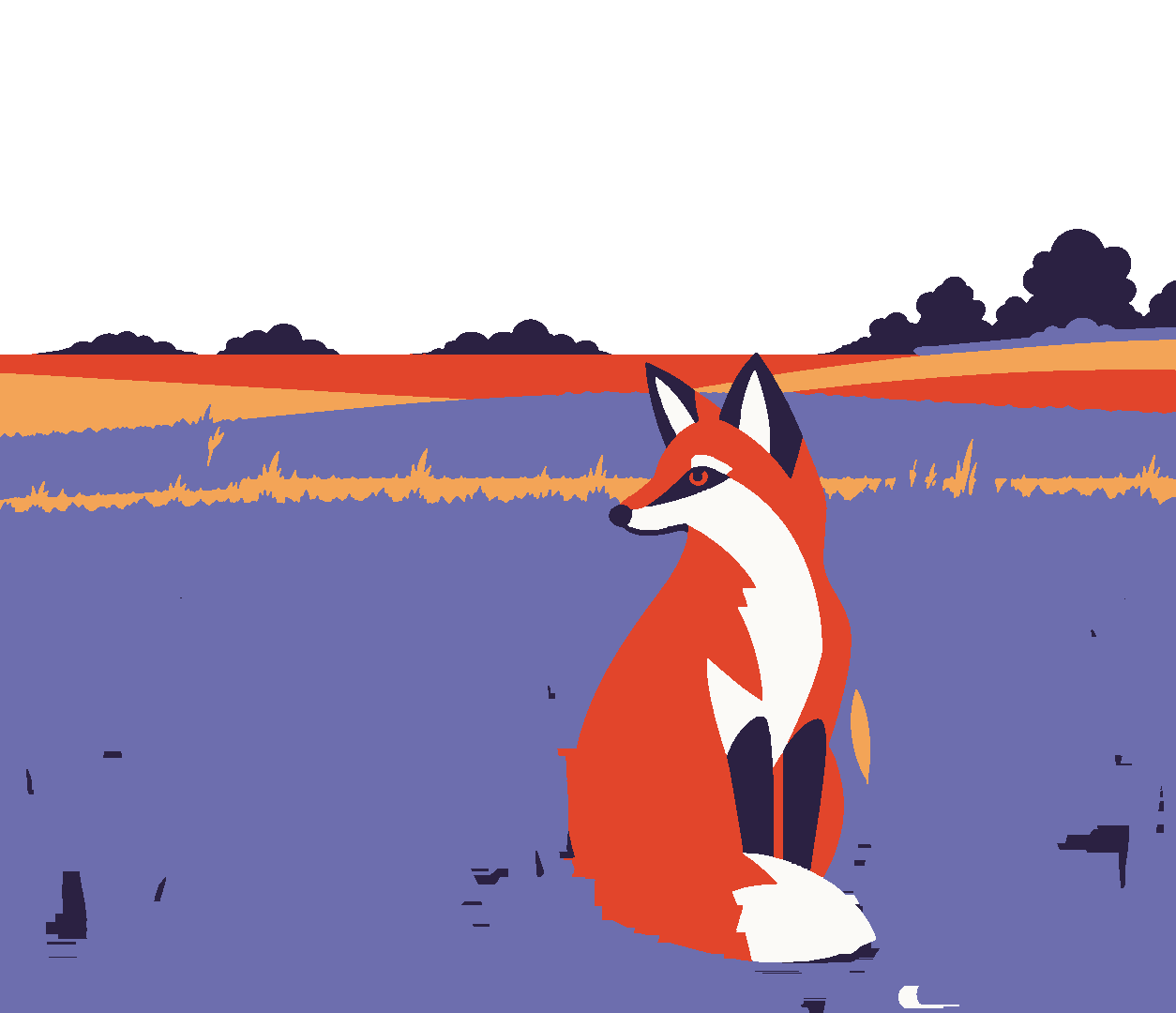
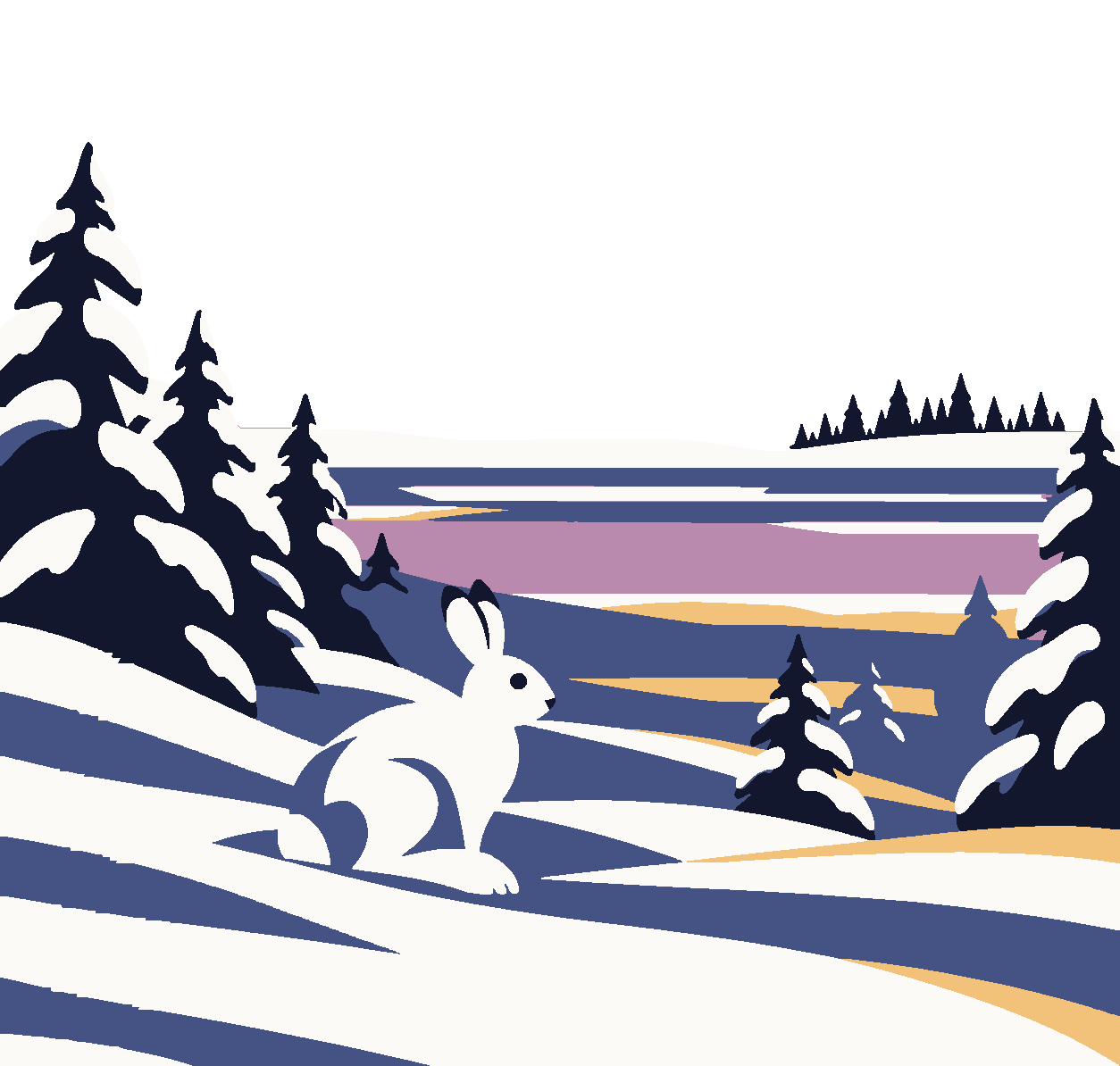
Seven Minnesota animals, each at its own hour of the day.
Seven Minnesota animals, each at its own hour of the day.


My approach
-
01Research
- What the animal really does here
- Old prints and new work, one idea each
- Field marks written into the brief
-
02Draw
- An image model draws from a brief
- Three takes, one pushed further
- Rounds until nothing’s left to change
-
03Make it printable
- Every pixel one of four inks
- Shapes too thin to print, marked
- Finished by hand in Illustrator
-
04Set up and print
- An illustrated manual for the bench
- The bear first, on paper and birch
- Buyer research before a price
The problem
An image model can draw a striking wildlife print in a minute. It can’t tell you whether the print will print, or whether the bear is a bear.
That gap is the art director’s job, and it always was: someone has to answer for every call.
The collection, One day of light, keeps one rule: each print takes its four inks from its own hour’s sky.
-
 Before dawn
Great horned owl
-
 Sunrise
Sandhill crane
-
 Morning mist
Moose
-
 Noon
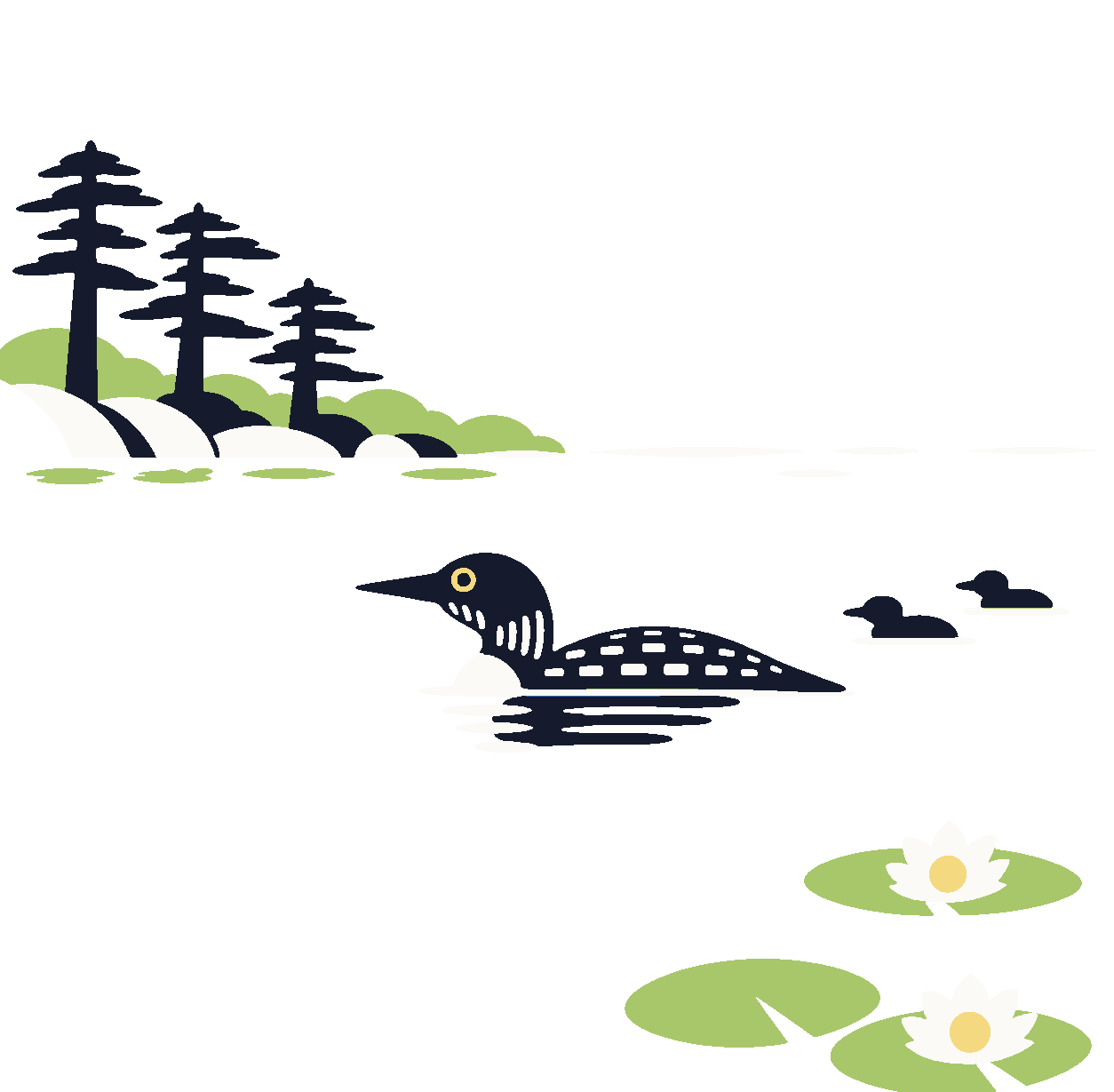
Common loon
-
 Golden hour
Black bear
-
 Sunset
Red fox
-
 Dusk
Snowshoe hare
Who does what
Every step names who does it, the question everyone asks about AI and art.
 Methe idea, every choice, the final drawing in Illustrator, and the printing
 An AI image model, ChatGPTdraws from a written brief
 An AI assistant, Clauderesearches, turns my direction into briefs, and wrote the studio’s manual
 Studio softwareordinary code, not AI: it fixes the colors, marks what’s too thin, and makes the screens
The two bears: Kuwagata Keisai, Abbreviated Drawing Styles for Birds and Animals, 1797, The Metropolitan Museum of Art, in the public domain.
One print, start to finish
Every print starts from something the animal really does here. Black bears feed by day and blueberries ripen in August, so the bear is in the berry patch, head down.
A black bear isn’t a small grizzly, so the brief spells out its marks: a straight face, no hump, and a tan muzzle.
The fifth leg
On 19 October I approved a bear with five legs. The brief had said “on all fours,” and the model drew a fifth anyway. Saying it again wasn’t going to fix that. Four moves did, and they’re how I fix a drawing now.
 Point at itthe extra leg painted magenta, so the edit stays there
 Show it a real beara public-domain photo of a black bear walking, sent with the brief
 Ask three times, then measureone brief in three fresh chats; take C changed least and printed cleanest
 Look againC’s paws read as human feet, so one more pass moved only the paws
The walking bear: Courtney Celley, U.S. Fish and Wildlife Service, in the public domain.

The model drew each take in about a minute. Seeing the fifth leg took me a day.
Making it printable
 Markedby the software: every shape too thin to print
 Tracedby Vectorizer.AI, the last step AI takes
 Finished by handin Illustrator: thin shapes thickened, wrong curves redrawn
 Four screenssplit from my file, printed light to deep
The model offers the options. I draw the final line.
A manual for the bench
The screens were on their way, and the studio was still our home office. Claude turned my rough notes and nine printmaking guides into a manual, and ChatGPT drew its seventeen pictures.
Eight of the seventeen looked right and got the mechanics wrong. So I check each like a prototype: step by step, as the person at the bench.
 Set up the roommix, print, dry, and wash, in that order
 Build the presshinges let the screen lift and drop back in the same spot
 Tape off the screentwo of the four colors share one screen, each in its own tape frame
 Spot a bad printeight ways a print fails, from blurry edges to colors out of line
Then the room: one photo, one plan. The first take hung the drying grid over the dog’s bed.
 Our home office
 The same room, as a studio
Where this is headed

Two weeks after I decided to screen print, there’s a method, two screens on order, a shop design, and a manual for the bench.
That used to take a team. Now the assistants carry the breadth and keep up: the manual and its drawing changed the afternoon I said the sink was in the next room.
I think this is how I’ll build everything now, products included: write the brief, let the models widen the search, test what comes back, and keep the final call.
Next is the first proof. It will find what nine guides and seventeen drawings missed.
Say what AI did, in plain words. “AI-assisted,” never “AI-generated,” because a buyer will ask.
The tools changed how much one person can start. They didn’t change who answers for it.