For most of my career, design ended at the handoff.
I drew the blueprint. Someone else built it. Months later, we found out what survived the translation.
Senior Product Designer
Twenty years in enterprise software taught me where judgment matters. Now I design how people and coding agents build together.


A current exploration in supervising coding agents, then the enterprise work it grew out of: understand a complicated system, find the real decision, get product and engineering around it, and carry it into something that works.
Featured · self-directed working prototype
Supervising coding agents without reviewing every change.
Routine work proceeds on its own. When the checks pass but the right call needs context or authority, Agent Review brings that one decision to a person, with the trade-offs side by side, and keeps their reason for next time.
From the prototype’s first simulated run: on the payment history, “Payment failed” is red because something went wrong. On the billing activity, a plan replaced from Starter to Growth shows the struck-through “Starter” in exactly the same red, though nothing went wrong.
Same red. Different meaning.
Payment failed
Payment history
Red means a problem. The payment didn’t go through.
Starterreplaced by Growth
Billing activity
The same red marks a replaced plan. Nothing went wrong.
Also in the lab: Deploy Console · Dispatch Cockpit, and the lab index.
Established enterprise work
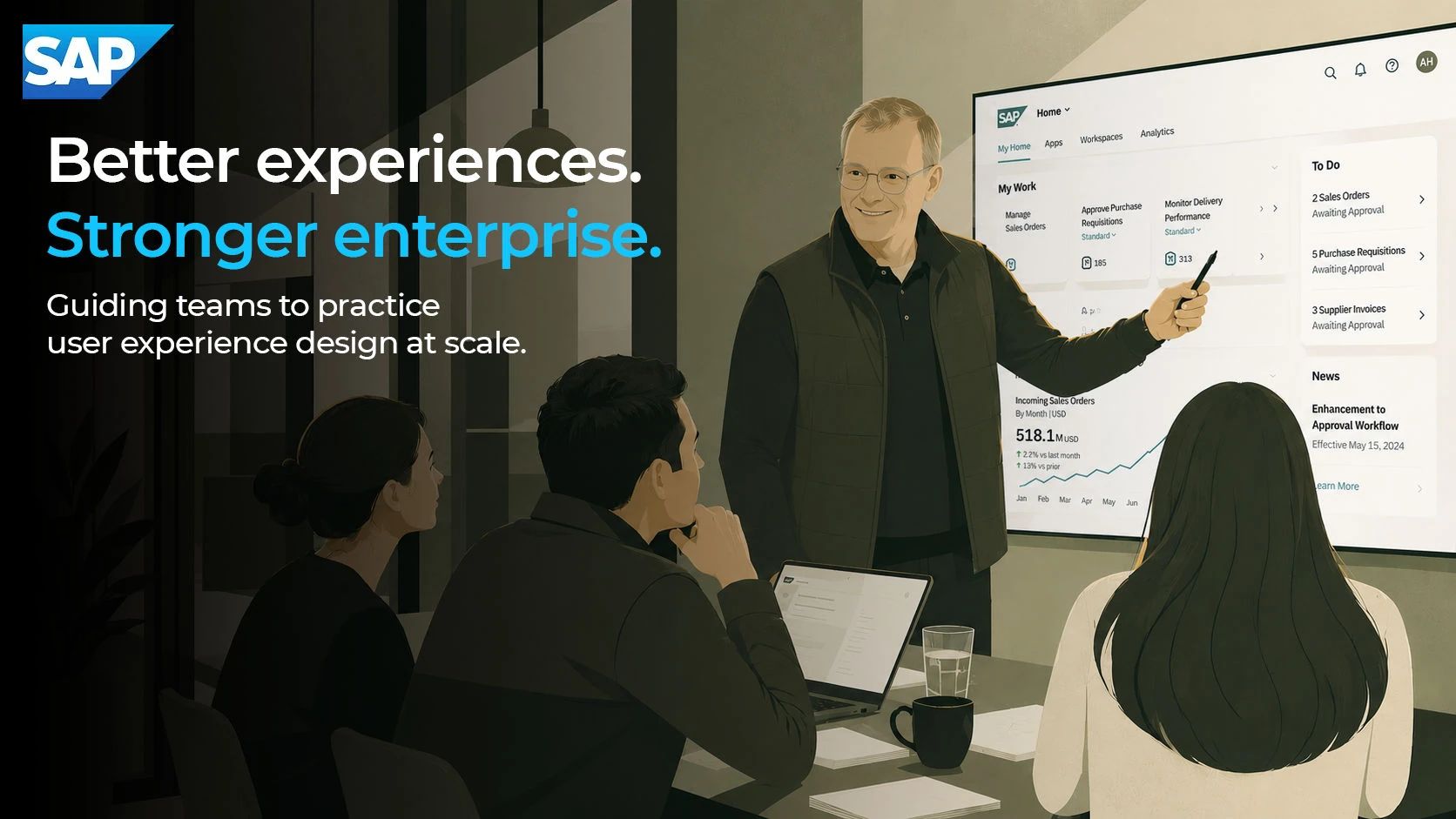
Systems, governance and scale: one design system and one accessibility standard across 40+ apps, with the numbers to show for it.

A complicated operation learned from the floor: cards built for the speed of the dispatchers, and the map I was wrong about.
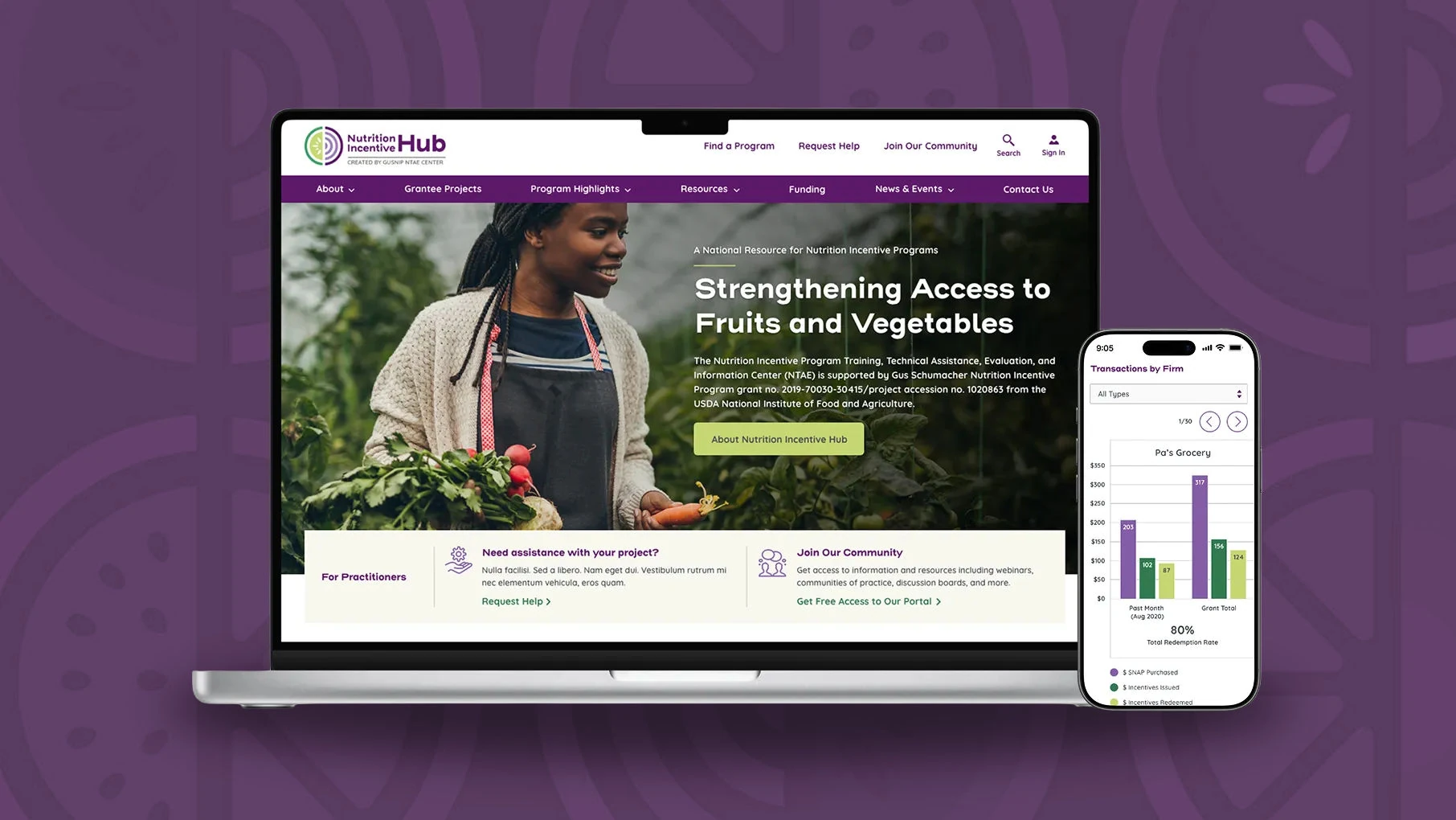
Research, accessibility and a measured change: one portal replacing spreadsheets, and a 45-to-55-hour process down to just over ten.
How I Work
Nearly all of this was done with product owners, engineers, analysts and executives, on products none of us owned alone. Four things I bring to a team. Each has a page: how it goes, step by step, and where it is shown.
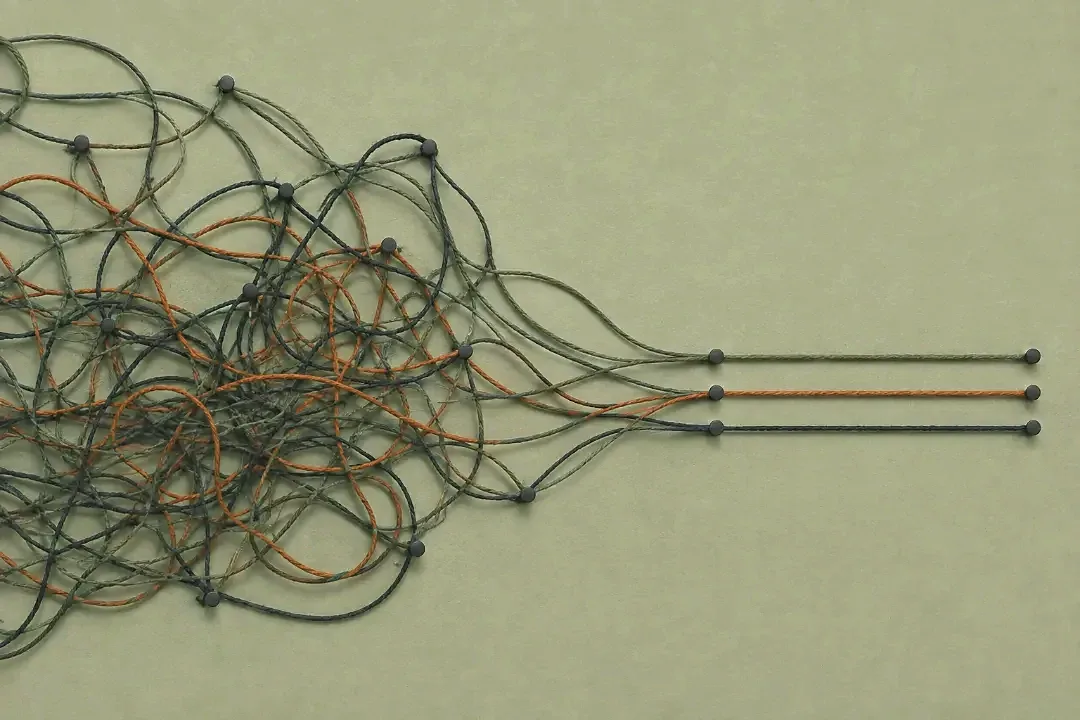
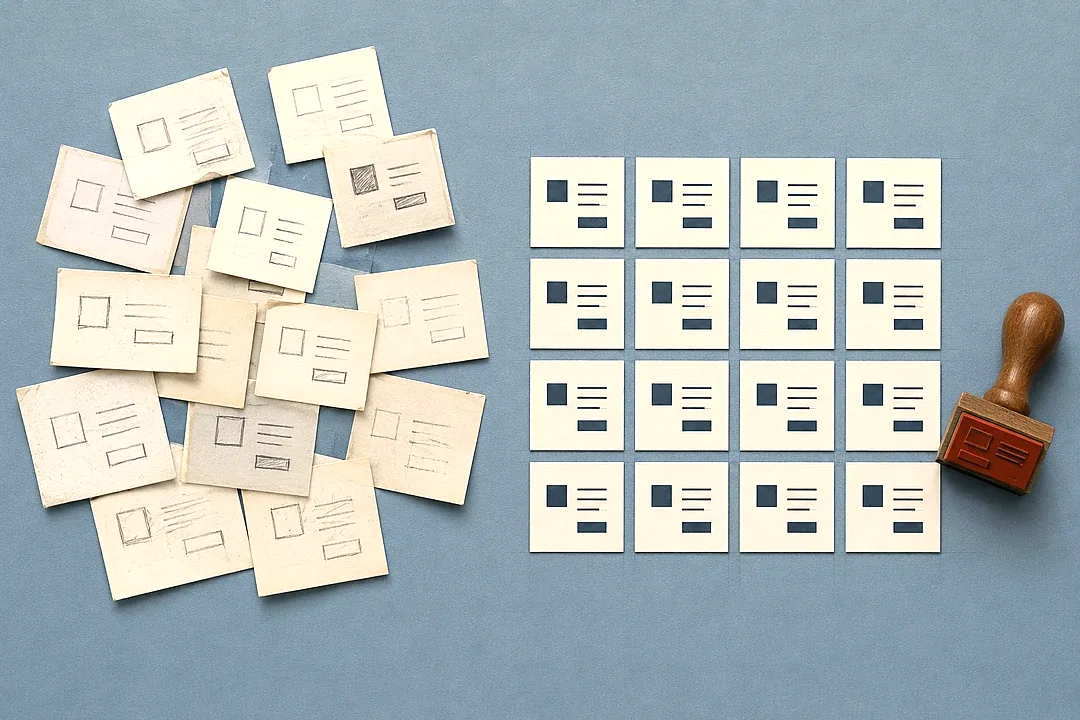
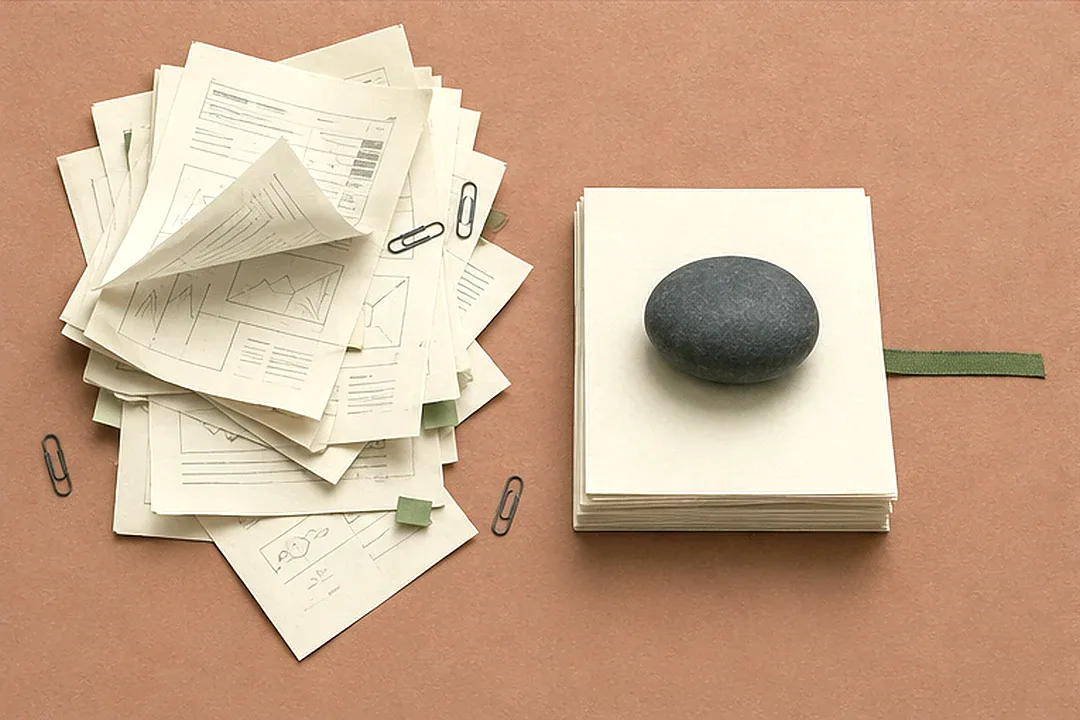
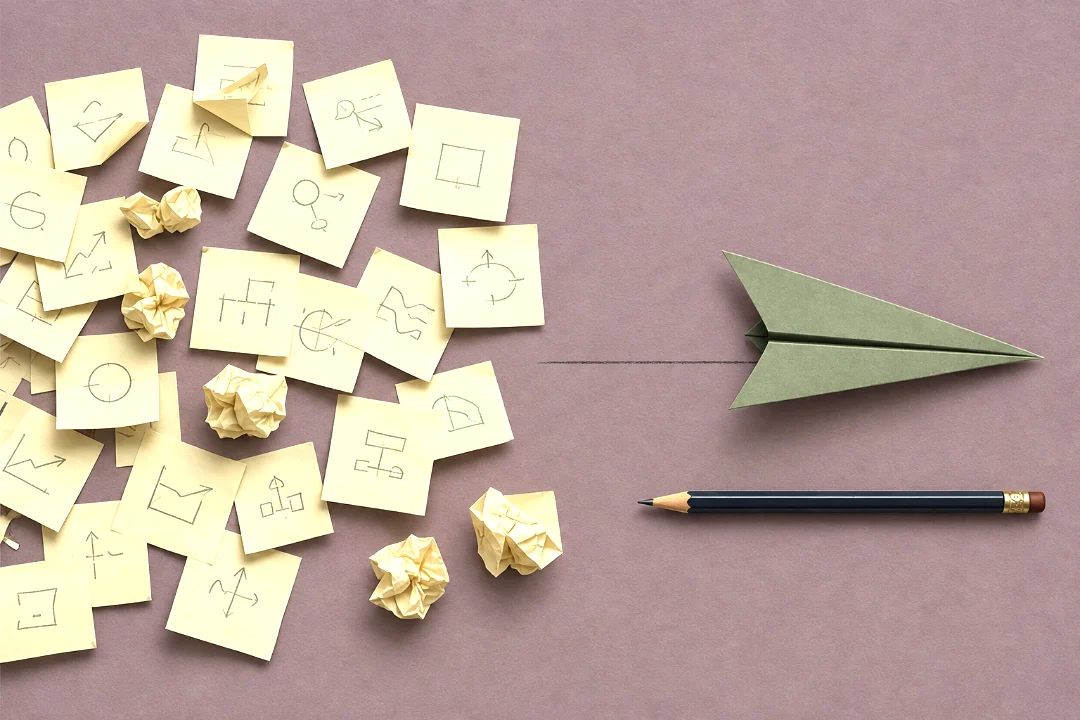
I drew the blueprint. Someone else built it. Months later, we found out what survived the translation.
I build what I design, with coding agents. Working software in days, not months. And an agent grows every branch it’s asked for, plus a few it wasn’t.
Growing is easy. Pruning is the craft. The rules an agent reads first, the checks every change must pass, and the calls only a person should make.
Real products, not concepts: designed, built and handed over, each left with the person it was made for and a way to keep it current without me. Both built with coding agents. This site is built the same way.
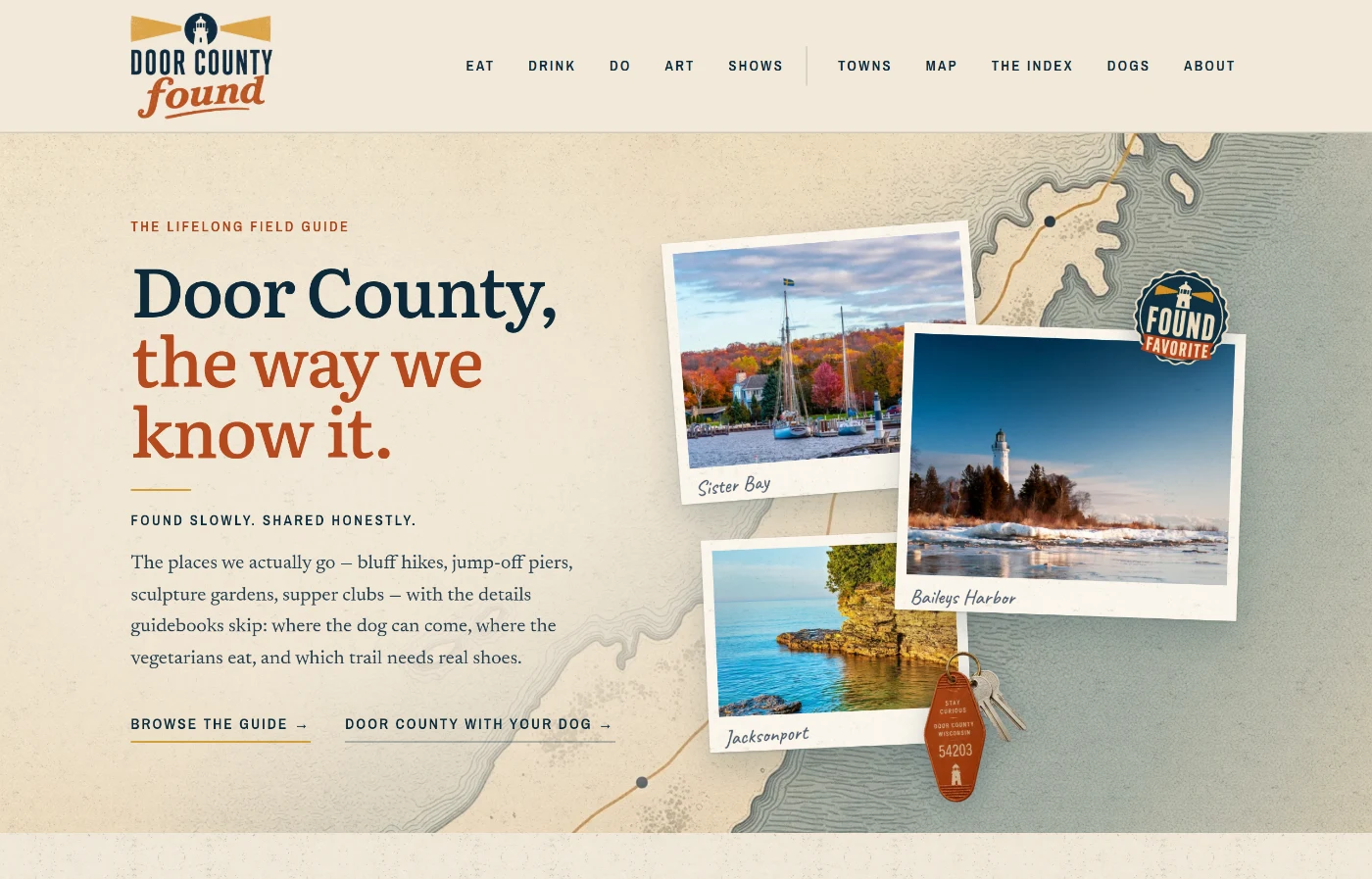
For my sister
A regional travel guide where every place is structured data rather than a blog post, so dog-friendly and vegetarian work as real filters instead of tags. I built the product, the identity, and the editing workflow my sister uses to keep it current.

01 Built for one dog in particular

02 Today’s session, already chosen

03 End on a win, next one queued
For Lucy
A mobile app that turns a professional trainer’s handouts into guided sessions you can run with a leash in one hand. One instruction per screen, a live rep tally, and progress in the levels the trainer already uses. Installs to the phone and works offline.
Working on something like this? Start a conversation. There are other things I make, too: a book, and identity and illustration for clients.
Adam Hickey is a senior product designer in Minneapolis, Minnesota, who works on software that has grown complicated: enterprise platforms, design systems, operational workflows, and how people and AI agents work together, after twenty years in enterprise consulting and studio design.
Complicated software is my favorite kind of problem. It took twenty years and two careers to be able to say that.

Craft · 2005-2013I started in graphic and digital design and spent eight years as a hybrid designer / developer across three studios, the last five at Pixel Farm. Two iOS apps, a boat configurator for Lund, and the front end under a lot of it. Designing and building weren’t separate jobs yet, so I did both, in a room where whoever shipped it sat close enough to argue with.

Systems · 2013-2026The work grew into UX and product design, and then into thirteen years at RBA consulting on large enterprise products, for CBRE, Toro, Banner Bank, International Trucks. That’s where I learned that most design problems are communication problems, and that coherence at scale takes systems: design systems, governance, shared patterns, honest measurement. The longest engagement was building and operating a UX practice inside a global enterprise — some of it explained in public, to a user group with the same problems.

Building with agents · 2026–nowAfter thirteen years at RBA, I’m building independently with coding agents: two products in use, client work, and Agent Review. It feels less like a departure from twenty years of UX than the place those years were leading. What I want next is one team and a product complicated enough to be worth years.
What I still look for is whether the work keeps guiding people long after the project ends. Not whether the deliverables were good, but whether the team is better at this than it was. That’s the test.
 (Lucy approves of this message from her curled-up spot nearby)
Contact
I’m looking for a senior product design role where complex products, systems thinking and hands-on building overlap. In-house, remote, with a team that can hire in Minnesota. Send a few sentences about the team and what it is building. I also take select independent engagements.
Or write to adam@adamhickey.com directly. The résumé (PDF, opens in a new tab) is one page.